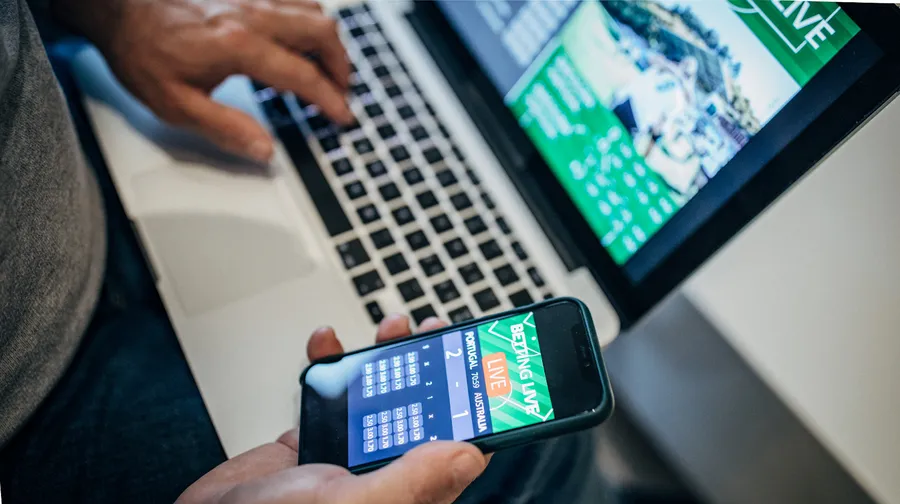
Few would have guessed that Stockholm, tucked away in the north, would become a testing ground for the future of sports. Yet years of appetite for easy-to-use apps, mobile access, and a near-obsession with local leagues set the stage for a technical evolution in the Nordic region. In places like Sweden and Denmark, people took to smartphones for everything, with mobile use for sports wagers sometimes hitting 80 percent.
Scandinavia’s unique sports culture, built on ice hockey, handball, and football, spurred operators to craft intuitive platforms with payment systems that worked for everyone. These approaches gradually seeped into the mainstream and nudged global companies to rethink their own online setups.
Specialized sports and regional focus drive product development
Scandinavian platforms never simply copied big international playbooks. Instead, they poured energy into covering leagues that mattered to home audiences: ice hockey, handball, football, right down to lower-tier or regional tournaments that only a local would care about. Players looking for a reliable betting on reliable platforms increasingly expect odds not just for global tournaments, but also for niche regional sports.
Even non-Nordic sites now routinely add markets for Scandinavian sports, quietly borrowing a move that pays off with engagement. Custom tools, like Bet Builder, popped up first for Swedish and Finnish leagues, giving users new ways to bet on the details that matter to them.
That willingness to experiment paid off. Early-2010s Swedish operators, spotting surges in play whenever the frost-season sports came around, justified building features that would later become standard almost everywhere. Today, platforms elsewhere are still catching up.
Mobile optimization and digital-first mentality
Nordic countries hit their stride with mobile platforms before most realized it was crucial. More than 70 percent of wagers happen on smartphones or tablets. The Nordics made it a habit to upgrade layouts for any device, not just laptops, with slips and in-play options meant for fingers, not a mouse. It’s easy to see why, fast networks digital-savvy users, and local payment systems all blended together.
Live streaming, real-time odds alerts, and the cashout button you spot on a phone app, they mostly owe their existence to demands from this region between 2015 and 2018. Meanwhile, solutions like Swish and MobilePay changed how deposits worked, setting the stage for similar tools worldwide. Data from recent years keeps trending in the same direction, showing that if your mobile navigation is clumsy, users don’t stick around as long. Today’s global platforms either embrace this standard or risk becoming irrelevant.
Localized payments and platform technology
The approach to payments up north is less about novelty and more about efficiency. Swish, MobilePay, and BankID, rolled out between 2016 and 2019, soon redefined what “instant deposit” could mean. Bank transfers, two-step identity checks, and one-tap withdrawals became the norm, not perks. Feedback surveys reflect it, users expect quick, painless onboarding, and digital identity shortened waits from days to minutes.
On the tech side, in-house teams were quick to release customizable dashboards, real-time match trackers, and alerts you actually want. The ability to combine multiple wagers for one match or cash out while the action unfolds, features now standard elsewhere, grew out of Scandinavian operations first. Even the quiet flourishes, a minimal interface, strong accessibility, subtle color choices, illustrate this distinct focus on practical user needs.
Affiliate strategies and influence beyond Scandinavia
Affiliates play a large part in Nordic operators’ expansion. Their partnerships, often offering 25 to 50 percent revenue shares, stand out for flexibility, with partners sometimes promoting several sites at once and seeing visible growth. Finland, where sports surged as affiliate models diversified. Norway leans heavily on local operators, yet users drawn to global features still go looking for those innovations first launched in Scandinavia.
Across annual reports, you’ll spot the same theme, the tech and strategic choices that quietly started there now gain traction worldwide. Instead of one-off ads, performance-based affiliate deals multiply, particularly where people are used to mobile-first products and quick digital solutions.
Promoting responsible gambling through design
One of the less flashy, but more meaningful, Nordic influences appears in responsible gambling features. Here, deposit caps, session timers, and self-exclusion aren’t buried, they come built-in, easy to find. Reminders about healthy play show up before major events, even mid-session, echoing feedback from earlier pilot programs.
The logic is simple, put useful tools up front and encourage people to stay aware. Users get quick access to their histories and self-limits. While no design eliminates risk altogether, this practical, visible approach, now adopted by a host of international platforms, signals a shift toward smarter, user-driven online.